AURALENGTH HAIR CARE GUIDE
Hair loss, shedding, or breakage?
The first helpful step is noticing what is changing. A care routine can reduce avoidable damage, but it cannot diagnose the cause of hair loss.
Breakage
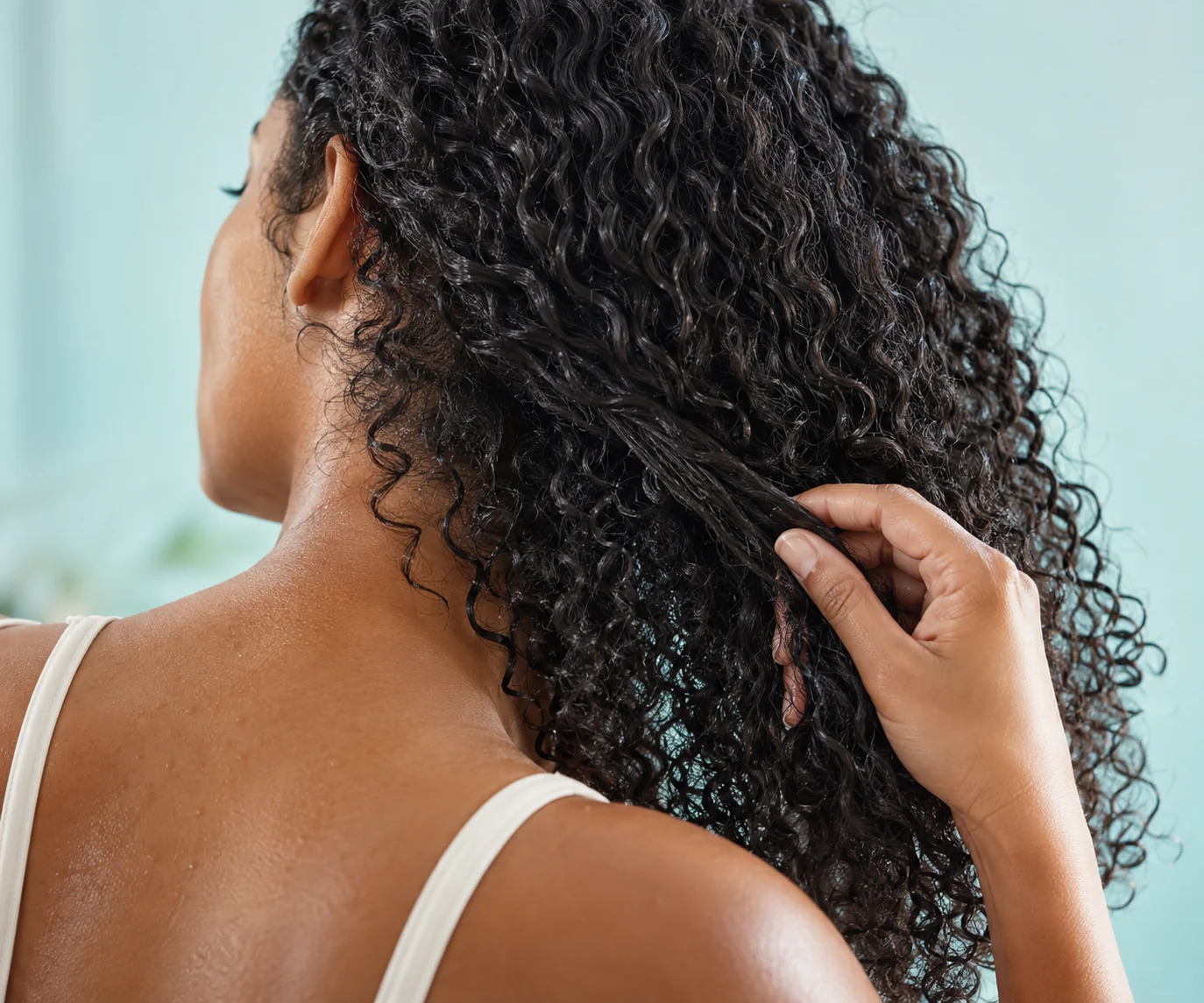
Shorter pieces and split ends can follow heat, chemical treatments, tight styles, or rough detangling. Condition after washing, handle hair gently, and reduce pulling or high heat.
Shedding
Hair falling from the root can have many causes. Notice when it began, whether it is patchy or sudden, and whether the scalp hurts or feels inflamed.
Scalp symptoms
Persistent flakes, itching, pain, sores, or inflamed patches deserve a professional assessment. An over-the-counter dandruff shampoo can help some flakes when used as directed.
A FEW POSSIBLE EXPLANATIONS
Why can hair become thinner?
Hair loss is a description of a change, not a single diagnosis. More than one reason can be present at the same time. The pattern and timing can offer clues, but a clinician is the person to sort out the cause.
Age and inherited pattern
Growth can slow with age. Some people also inherit a tendency for follicles to make finer hair over time. A widening part or gradual thinning at the crown can be clues. Starting a conversation early matters because care options depend on the actual cause.
Hormonal changes
Pregnancy and childbirth can shift the hair cycle; extra shedding may show up months after delivery. Menopause can coincide with pattern thinning in some people. Hormones are one possibility, not an explanation for every strand in the shower.
PCOS and hirsutism
PCOS means polycystic ovary syndrome. It can involve higher androgen activity, irregular periods, acne, and scalp thinning. Hirsutism means coarser hair growing in places such as the face or chest. Someone can experience unwanted facial hair and scalp thinning together. Neither symptom alone proves PCOS; a health professional can evaluate the full picture.
Illness, stress, or a major change
A few months after a fever, surgery, childbirth, or a difficult period, many hairs may shed around the same time. This is sometimes called telogen effluvium. A timeline helps: write down when the event happened and when shedding began. Do not assume stress is the cause without considering other possibilities.
Health, nutrition, or medication
Thyroid conditions and a shortage of nutrients such as iron or protein can be linked with thinning. Some medicines may contribute too. Ask a clinician which checks fit your situation; guessing with supplements or stopping prescribed medicine on your own can create new problems.
Pulling or scalp inflammation
Repeated tension from tight styles can thin the hairline, and some inflammatory scalp conditions can harm follicles. Loosen styles that hurt or pull. Pain, persistent redness, sores, or smooth patches deserve prompt assessment rather than a new oil.
What to bring to an appointment: When the change started, where it appears, scalp symptoms, recent illness or childbirth, changes in periods or facial hair, new medicines, and any photos taken in similar light. You do not need to know the diagnosis before you ask for help.
Where oils fit
Coconut oil used on the hair lengths before washing may reduce hair-shaft protein loss. A tiny amount of a simple finishing oil can add shine to dry ends. Neither oil is proven to diagnose or reverse a medical cause of hair loss. Patch test new topical products and stop if irritation occurs.
What about supplements?
A supplement is most useful when it addresses a real deficiency. There is limited evidence that biotin improves hair in people who are not deficient, and excess of some nutrients can contribute to hair loss. Speak with a clinician before starting supplements for shedding.
When to see a dermatologist
Seek help for sudden or patchy hair loss, rapid thinning, ongoing significant shedding, scalp pain, sores, or inflammation. Earlier assessment can identify treatable causes that a cosmetic routine cannot.
Background sources: American Academy of Dermatology on causes of hair loss; pattern thinning; WHO on PCOS; NIH: biotin; coconut oil and protein loss study. The explanation above is original Auralength wording for general education, not a diagnosis or treatment.