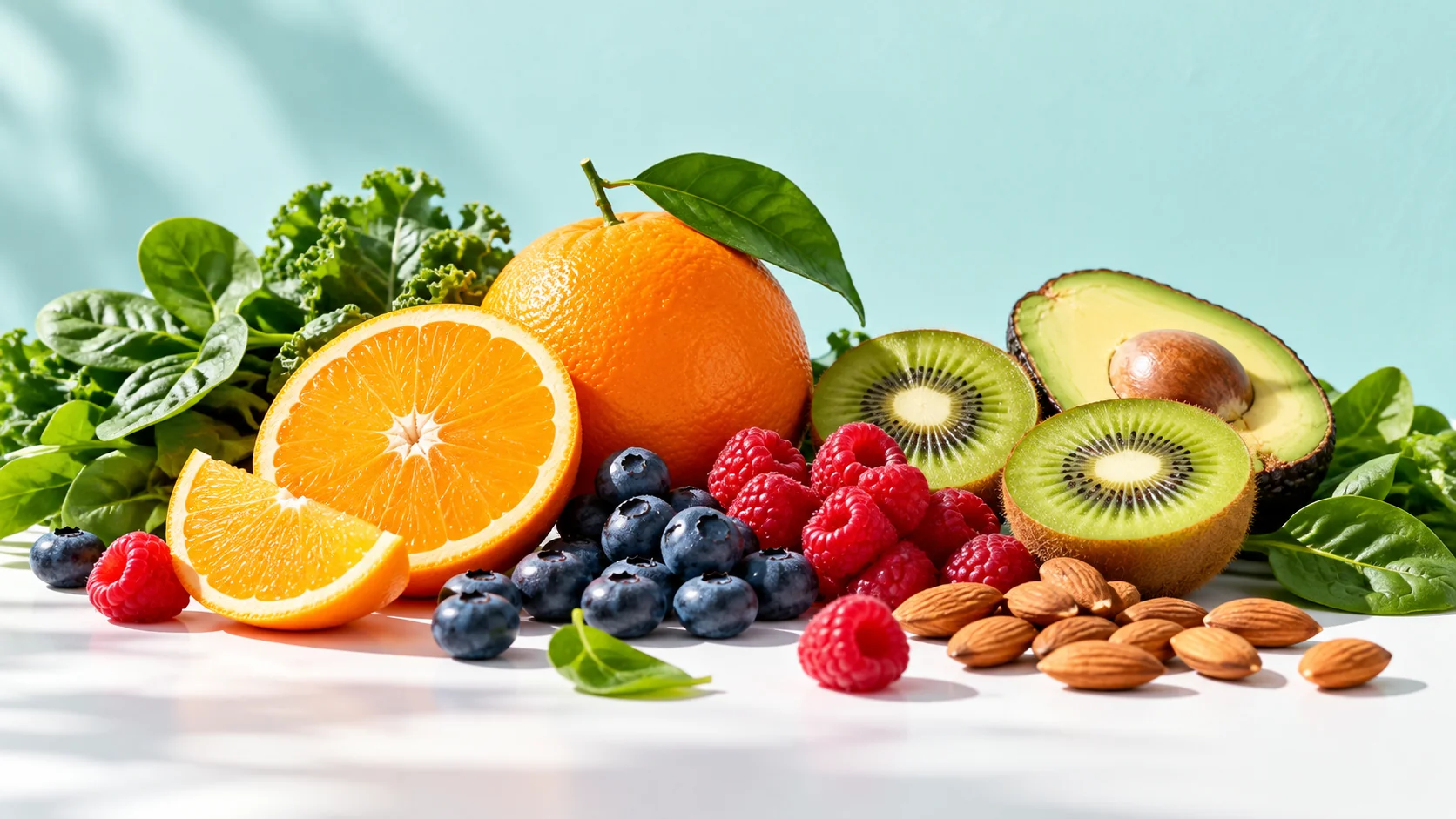
Give growing hair the building blocks it needs.
Hair follicles use nutrients from the food you eat as they make new hair. Protein helps provide the material for hair; iron and zinc help support normal body processes involved in growth. Vitamins, including vitamin D and B vitamins, also have roles in general health and the hair cycle. A varied pattern of meals can help you meet your needs: try beans, eggs, fish, or another protein with vegetables, fruit, and foods that suit your diet.
Not getting enough protein or iron can contribute to hair loss. But taking extra vitamins does not make well-nourished hair grow faster. Biotin supplements, for example, have little evidence for better hair in people without a deficiency. If shedding worries you, ask a clinician whether testing is useful before buying a high-dose supplement.
Dermatologists on nutrients and hair loss ↗ · NIH on biotin ↗
Food is a foundation, not a magic ingredient
Hair is made from materials your body gets through food. Regular, varied meals can help you meet your needs for protein, iron, zinc, and other nutrients. Think of ordinary combinations: eggs or beans with toast, fish or lentils with vegetables, yogurt or a suitable alternative with fruit. The aim is enough nourishment, not a perfect “hair diet.”
Too little of certain nutrients can contribute to hair loss. More is not automatically better: high-dose supplements can cause harm or interfere with tests and medicines. If shedding is new or significant, a clinician can decide whether testing for a deficiency is appropriate.
Herbs on the plate
Rosemary, mint, and other culinary herbs can make meals more enjoyable and varied. Use them as food if you like their flavor; no herb sprinkled over dinner has been shown to make scalp hair grow on command. A pleasant routine is valuable without turning every meal into a treatment plan.
Herbal capsules and concentrated extracts are a different matter from seasoning. Their contents and doses vary, and they can interact with medicines. Ask a clinician or pharmacist before taking them, particularly during pregnancy, while nursing, or when managing a health condition.
Herbs in hair products
You may see aloe or rosemary listed in a conditioner, scalp product, or oil blend. Choose a labeled product with directions, try a small amount first, and stop if it stings, reddens, or itches. Plant-derived ingredients can still trigger irritation or allergy. Essential oils are concentrated and should not be swallowed or applied undiluted to the scalp.
A product can make hair feel softer or smell lovely without proving that it regrows hair. Evidence for herbal growth claims remains limited; sudden loss, sore patches, or persistent shedding need a professional evaluation rather than a stronger DIY blend.